

We know how worrying a sore patch can feel for parents in Singapore. Eczema is common in young children and it weakens the protective skin barrier. That raises fussiness, itching and infection risk.
In this guide we set clear expectations: the condition is usually manageable with steady daily care rather than quick fixes. We explain why a neck rash is so disruptive — sweat, drool, collar friction and constant movement keep inflammation going.
Effective treatment means calming inflammation, restoring the barrier, easing itching and preventing infection and repeat flare-ups. We reassure families that this is not caused by poor hygiene.
Our step-by-step approach will cover recognising symptoms, getting the right diagnosis, daily routines, flare management, trigger control at home and in childcare, and ways to reduce reliance on stronger medicines while using them correctly when needed.
Recognising eczema on the neck in toddlers
A clear view of the typical skin changes around the neck guides sensible care and reduces worry.
Common signs include persistent redness, dry scaling, visible scratch marks and itchy skin that often wakes a child at night.
Repeated rubbing can cause lichenification: the skin becomes darker, tougher and textured after long-term scratching. We see this in skin folds where saliva, sweat and clothing rub together.
How to tell it apart from other rashes
- Contact dermatitis usually matches the contact site and may blister with a clear trigger such as metal snaps or fragranced wipes.
- Heat rash forms tiny red bumps after overheating and often improves quickly with cooling and lighter clothing.
- If the rash is new, spreading fast, weeping or looks infected, do not self-diagnose—seek review.
| Feature | Atopic dermatitis | Contact dermatitis | Heat rash |
|---|---|---|---|
| Appearance | Red, scaly, thickened with scratch marks | Red, well-defined, may blister | Clusters of tiny red bumps |
| Typical trigger | Dry skin, sweat, friction | Allergen/irritant contact (metal, soap) | Overheating, humidity, tight clothing |
| Course | Chronic with flares; improves with skin care | Follows exposure; clears when removed | Settles with cooling; topical agents may worsen |
For practical guidance about atopic dermatitis in children, see our detailed notes at atopic eczema in children.
Getting the right diagnosis and knowing when to book a doctor’s appointment
Getting a clear diagnosis early gives us the best chance to control flares and protect delicate skin. If a rash is persisting, spreading or disrupting sleep, it is reasonable to make an appointment with your paediatric doctor.
What our doctor will ask and check
At the consultation we will ask when the rash started, where it spreads, what makes it worse (heat, sweat or products) and what treatments you have tried.
Clinical checks include distribution in skin folds, scratch marks, thickened patches and dry skin elsewhere. Blood tests or swabs are usually not needed for a routine diagnosis.
Red flags that need prompt review
- Rapidly worsening redness or spreading.
- Significant sleep loss because of itching.
- Pain, fever, yellow crusting, weeping or obvious bacterial infection.
- Interference with feeding, sleep or childcare attendance — book time with your doctor.
Bring photos or product labels to the appointment. Ask for a simple action plan: daily care, flare steps and when to return. Prompt review reduces unnecessary escalation and helps in difficult cases.
“Early assessment turns uncertainty into a clear plan for families.”
Daily skincare routine for toddler eczema on neck
A steady daily routine is the backbone of good skin management for young children. We focus on gentle, repeatable steps that fit busy Singapore family life and protect fragile skin between flares.
Choose a gentle, soap-free cleanser
Select fragrance-free, non-soap cleansers that state suitability for sensitive skin. These products reduce stinging and avoid stripping oils that protect the skin.
Keep baths short with lukewarm water
Limit baths to about 10 minutes and use lukewarm water rather than hot. Long or hot baths remove natural oils, increasing itch and flare risk.
Moisturise liberally and often
Apply a fragrance-free, low-additive moisturiser immediately after patting the skin damp. This locks in hydration.
We recommend reapplying a generous amount before bedtime. If a standard tube runs out quickly, that usually means you are using enough to be effective.
Selecting creams, ointments and products
Use ointments for very dry, cracked patches and creams for daytime. Avoid products with perfumes, parabens and multiple additives.
Be gentle around the face and neck area: pat rather than rub, and skip fragranced “baby” items that can still irritate.
- Simple routine: cleanse gently, short baths, pat dry, moisturise straightaway and again at night.
- Why it works: consistent daily care strengthens the skin barrier and reduces the need for stronger treatments later.
- Further reading: for natural repair strategies see our guide to healing at natural skin repair.
Managing flare-ups safely with proven treatments
Flares need a calm, targeted response to reduce inflammation and restore comfort. We step up daily care, remove irritants and add short-term medical therapy when skin is visibly inflamed and itchy.

When steroid creams are needed and how to use them correctly
Topical steroid creams are often prescribed for a short course to bring a flare under control. Use exactly as our doctor instructs to avoid thinning. Apply the medicated cream to active inflamed patches first, then follow with moisturiser to support the barrier.
Wet wrap therapy for severe flares of the neck and body
Wet wrap therapy rehydrates skin, cools inflammation and reduces scratching. After a lukewarm bath and moisturiser, fit a warm damp tubular layer, cover with a dry layer and dress in cotton. Keep wraps damp and limit use to about one week before review.
Using antihistamines or other medication when itch disrupts sleep
Our doctor may suggest short-term oral medication such as sedating antihistamines when itch stops rest. Sleep aids are for select cases and used alongside topical care, not as a replacement.
| Treatment | When used | Main benefit | Key safety point |
|---|---|---|---|
| Topical steroid creams | Inflamed, itchy patches | Rapid inflammation control | Follow prescription; avoid prolonged use |
| Wet wrap therapy | Severe, widespread flares (body/neck) | Rehydrates and blocks scratching | Keep damp; limit to ~1 week; review if worse |
| Oral antihistamines | Night-time itch disrupting sleep | Improves rest and behaviour | Use as advised; monitor drowsiness |
Important: do not increase potency or combine medicated products without review. If flares recur often, we arrange follow-up to reassess triggers and baseline treatment strategies.
Stopping the itch-scratch cycle and protecting irritated neck skin
We focus on simple steps that cut the itch–scratch feedback and shield irritated areas. Scratching causes tiny breaks in the skin barrier, which increases inflammation and infection risk. Stopping that loop helps a child heal faster and have fewer flare days.
Keeping nails short and clean
Trim nails frequently and file rough edges. Clean hands reduce the chance of introducing bacteria when scratching breaks the skin.
Night-time strategies include soft mittens or cotton sleeves and gentle distraction routines to redirect hands before upset or sleep.
Choosing breathable clothing
Pick cotton or cotton-blend tops with soft seams and looser necklines to lower friction. Avoid wool, nylon and synthetic fabrics that trap heat and worsen itching.
Managing sweat and friction in Singapore
Plan outdoor play for cooler parts of the day, use fans or air-conditioning sensibly, and change damp collars promptly. Wiping or rinsing sweat off after activity reduces stinging and later itch.
- After sweat: pat dry, reapply a moisturiser to protect the skin.
- Aim to buffer skin rather than limit play — our goal is comfort and fewer bleeding or excoriated areas.
“Interrupting scratching reduces flare days and helps children sleep better.”
Finding and reducing triggers at home and in childcare
Identifying everyday triggers helps us protect sensitive skin without overhauling family life. Start with a quick, realistic “trigger audit” that checks products, laundry and play spaces. Make one change at a time so you can spot what truly matters.
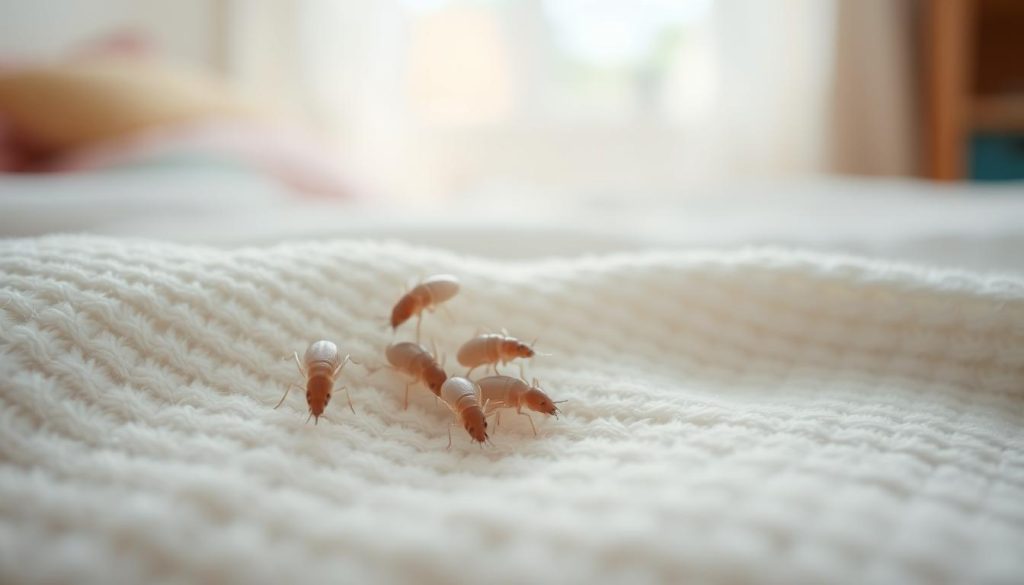
Common irritants to remove first
Avoid fragranced soaps, bubble baths, perfumed lotions and powders. Choose mild liquid detergents and add an extra rinse cycle. Launder new clothes before first wear to remove manufacturing chemicals.
Dust and dust mite control
House dust and dust mites may aggravate flares in older children. Reduce soft furnishings, avoid carpets in the bedroom and limit stuffed toys. Keep bedrooms uncluttered and vacuum with a HEPA filter if possible.
Bedding and washing protocol
Wash sheets and pillowcases in hot water (≥60°C) about every fortnight. This lowers dust mite counts and helps protect delicate skin during sleep.
Food, allergy testing and topical ‘natural’ ingredients
Up to a third of infants and babies may have food allergies that trigger flares. We only recommend allergy testing when history suggests immediate reactions, hives, vomiting or consistent links to specific foods.
Do not cut multiple foods “just in case” — this can harm nutrition. Also, note that food-grade skincare ingredients may sensitise babies and may not be safer than products made for sensitive skin.
“A focused, stepwise approach finds real triggers while keeping family routines practical.”
Preventing and managing skin infection during eczema flares
A broken skin barrier is the main route by which bacteria worsen a rash. When inflamed skin is scratched, tiny openings let organisms such as Staphylococcus aureus enter and escalate redness and pain.
How scratching damages the barrier and increases risk
Scratching causes micro-tears that compromise the barrier. This raises the chance of a secondary infection and can turn a local flare of dermatitis into a more painful problem.
When antiseptic washes may help
During flare periods our doctor may advise targeted antiseptic washes to reduce bacterial load. Common options used in practice include Octenisan, chlorhexidine and zinc washes.
These products can be drying, so we stress immediate, liberal moisturising after use to protect the barrier and aid recovery.
Swimming pool chlorine: benefits and aftercare
Chlorine can reduce skin bacteria but it also strips oils. Rinse at the poolside, shower soon after and reapply moisturiser to restore the skin’s defences.
When antibiotics may be required
Seek prompt review if you spot weeping, yellow crusting, spreading redness, increasing pain or fever. These signs suggest bacterial infection and may need a short course of antibiotics rather than a “wait and see” approach.
- Do not use leftover antibiotic creams or mix medicated products without advice.
- Timely review protects overall health and speeds effective treatment.
For practical advice on recognising and managing infected flare-ups see our guidance on skin infections and eczema.
Conclusion
We finish with practical steps you can use today to keep your child’s skin calmer and more comfortable.
Plan: recognise signs, confirm the clinical diagnosis if unsure, keep a simple daily routine and treat flares early and safely. The non-negotiables are soap-free cleansing, short lukewarm baths and liberal moisturising straight after washing and before bedtime.
To prevent escalation in Singapore’s heat, reduce sweat and friction, choose cotton clothing, keep nails short and avoid fragranced products or detergent residue. Keep an “eczema toolkit” for outings: moisturiser, soft cloths, a spare cotton top and clear carer instructions.
If sleep is disrupted, redness worsens rapidly, infection is suspected or flares repeat despite good care, book a doctor appointment. For details about medical treatment options see our guide to treatment for eczema in babies.
Reassurance: this chronic condition often improves with time. Consistency is what changes outcomes; with a structured approach most child eczema cases become calmer and less disruptive.
FAQ
What are the common signs that our child has atopic dermatitis on the neck?
Why does this skin condition commonly affect the neck in children?
How can we tell if the rash is contact dermatitis, heat rash or atopic dermatitis?
When should we book a doctor’s appointment for our child’s neck rash?
What will our child’s doctor check during a consultation?
What red flags need urgent medical review?
What daily skincare routine helps protect sensitive neck skin?
How quickly should we apply moisturiser after bathing?
How do we choose creams, ointments and products with fewer additives?
When are topical steroid creams needed and how should we use them?
What is wet wrap therapy and when should we consider it?
Can antihistamines help when itching disrupts sleep?
How can we stop the itch-scratch cycle and protect the neck from further damage?
How does Singapore’s heat and humidity affect neck flare-ups and what can we do?
Which household triggers should we reduce to lower flare frequency?
What practical steps reduce exposure to dust mites at home and in childcare?
When should we consider food allergy testing and what should we avoid eliminating blindly?
Why might food-grade skincare ingredients be unsuitable for young children?
How does scratching increase the risk of skin infection and which pathogens are involved?
When might antiseptic washes or topical antiseptics help during a flare?
Is swimming safe and what precautions should we take regarding pool chlorine?
When are antibiotics required for infected skin and why should we not delay review?
How can we balance prevention and treatment to reduce future flares?

- Make a DIY Humidifier for Baby: Our Step-by-Step Guide - August 2, 2026
- Using Distilled Water for Baby Humidifier: Our Guide - August 2, 2026
- What is the Optimal Distance of Humidifier for Baby - July 31, 2026