
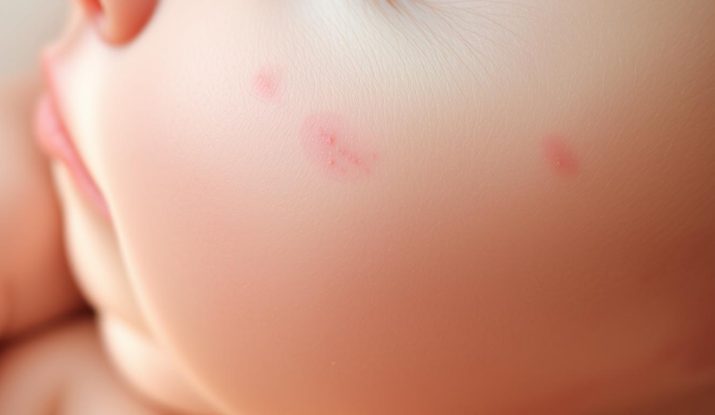
Many parents in Singapore notice their little ones struggling with dry, itchy skin. This condition, often linked to atopic dermatitis, is common among infants. Up to 60% of babies may experience it at some point.
Singapore’s tropical climate can make things worse. Heat and humidity often lead to flare-ups. Identifying what causes these reactions is key to keeping your child comfortable.
Genetics and immune system issues can play a role too. If family members have had similar skin problems, your child might be more prone to it. The good news? With the right care, this condition is manageable.
From gentle skincare routines to lifestyle tweaks, there are ways to help. Staying informed and proactive can make a big difference. For more detailed guidance, check out this resource on managing eczema in children.
Key Takeaways
- Atopic dermatitis is a common skin condition in infants.
- Singapore’s climate can worsen symptoms.
- Identifying triggers helps reduce discomfort.
- Genetics and immune system issues are contributing factors.
- Proper skincare and lifestyle adjustments can manage the condition.
What is Baby Eczema?
Skin conditions in children can be a source of concern for many families. One of the most common issues is baby eczema, a chronic condition that causes dry, irritated skin. Unlike temporary rashes, eczema often persists and requires ongoing care.
Types of Baby Eczema
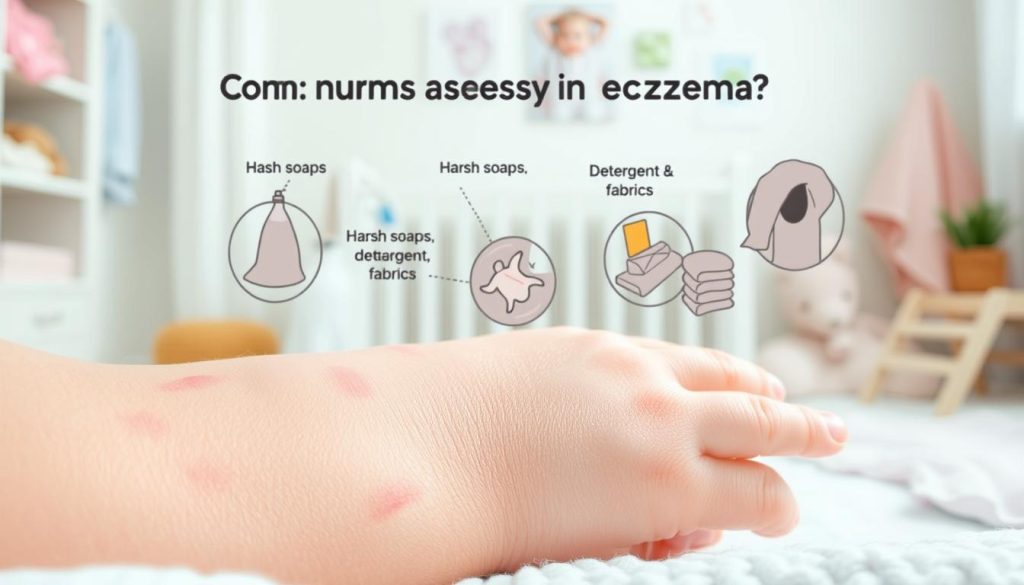
There are several types of eczema that affect children. Atopic dermatitis is the most common and is often linked to family history of allergies. It typically appears on the face, neck, and joints. Contact eczema, on the other hand, is triggered by external irritants like soaps or detergents.
Another type is dyshidrotic eczema, which causes blisters on the hands and feet. Lastly, seborrheic eczema, often called “cradle cap,” results in greasy, scaly patches on the scalp. Unlike the intensely itchy atopic form, this type is usually non-itchy.
Common Symptoms of Baby Eczema
Parents should watch for signs like dryness, redness, and itching. Other symptoms include bumpy rashes, skin discoloration, and weepy blisters. These visual cues can help identify the condition early.
| Type | Key Features | Common Locations |
|---|---|---|
| Atopic Dermatitis | Itchy, red patches | Face, neck, joints |
| Contact Eczema | Triggered by irritants | Anywhere exposed |
| Dyshidrotic Eczema | Blisters on hands/feet | Hands, feet |
| Seborrheic Eczema | Greasy, scaly patches | Scalp |
What Causes Baby Eczema?
Understanding the root causes of skin issues in infants can help parents manage them effectively. While external factors like climate and irritants play a role, internal factors are often the primary drivers. Let’s explore the key contributors to this condition.
Genetic Factors
Family history plays a significant role in the development of skin problems. If parents have a history of asthma or allergies, their child has a 50% higher risk of experiencing similar issues. Mutations in the filaggrin gene are particularly linked to weakened skin barriers, making the skin more prone to dryness and irritation.
Skin Barrier Dysfunction
A healthy skin barrier retains moisture and keeps irritants out. However, defects in this barrier can lead to “leaky” skin, allowing allergens to penetrate easily. This dysfunction results in moisture loss, leading to the dryness and itching commonly associated with this condition.
Immune System Abnormalities
An overactive immune system can mistake harmless substances for threats, triggering inflammation. This immune response worsens redness and itching, making the skin more sensitive to external irritants. Managing these internal factors is key to long-term relief.
| Cause | Description |
|---|---|
| Genetic Factors | Family history of allergies or asthma increases risk. |
| Skin Barrier Dysfunction | Defective barriers allow allergens to penetrate. |
| Immune System Abnormalities | Overactive immune responses cause inflammation. |
Identifying Baby Eczema Triggers
Parents often wonder what causes their child’s skin to become red and itchy. Pinpointing these factors is the first step toward managing the condition effectively. From environmental elements to everyday products, many things can worsen symptoms.

Environmental Triggers
Singapore’s tropical climate plays a big role in skin irritation. High humidity can lead to sweat buildup, while air-conditioned spaces often cause dryness. Both extremes can make symptoms worse. Dust mites, common in humid environments, are another frequent culprit.
Irritants and Allergens
Everyday items like fragranced products, wool fabrics, and harsh laundry detergents can irritate sensitive skin. Synthetic clothing materials may also trap heat, leading to discomfort. For some children, certain foods like dairy or eggs can act as allergens, worsening the condition.
Emotional Stress
Stress, whether from teething or changes in routine, can increase cortisol levels. This hormone can trigger inflammation, making symptoms more severe. Keeping your child calm and comfortable is essential for managing flare-ups.
Here’s a quick checklist to help parents track potential triggers:
- Switch to hypoallergenic soaps and detergents.
- Opt for breathable, natural fabrics like cotton.
- Monitor reactions to common foods.
- Maintain a consistent skincare routine.
By identifying and avoiding these triggers, parents can help their child stay comfortable and reduce the frequency of flare-ups.
How is Baby Eczema Diagnosed?
Diagnosing skin conditions in infants requires a careful approach. A doctor will typically start by reviewing the child’s medical history and conducting a physical examination. This helps identify patterns in the rash and any family history of similar issues.

Medical History and Physical Examination
During the evaluation, the doctor will ask about the child’s symptoms, such as when they first appeared and what makes them worse. They’ll also examine the skin for redness, dryness, or other signs. This step is crucial for ruling out infections or conditions like psoriasis.
Allergy Testing
If the condition persists or worsens, allergy testing may be recommended. Patch tests can identify specific allergens, such as nickel or fragrances, that might be causing flare-ups. These tests are non-invasive and designed to ensure the child’s comfort.
Parents can help by documenting their child’s symptoms and potential triggers before the appointment. This information provides valuable insights for the diagnosis and helps create a tailored treatment plan.
Effective Treatments for Baby Eczema
Managing dry, itchy skin in infants requires a combination of effective treatments and lifestyle changes. From topical solutions to daily habits, parents can take steps to soothe irritation and restore skin health. Here’s a closer look at the most recommended approaches.
Topical Anti-Inflammatory Agents
Low-potency corticosteroids, such as hydrocortisone, are often prescribed to reduce inflammation safely. These creams and ointments help calm redness and itching. However, it’s important to use them as directed to avoid side effects like thinning skin.
For parents seeking alternatives, non-steroidal options like calcineurin inhibitors are also effective. These treatments are particularly useful for sensitive areas like the face and neck.
Moisturizers and Cleansers
Ceramide-rich moisturizers are essential for repairing the skin barrier. Apply them within three minutes after bathing to lock in moisture. Fragrance-free brands like Cetaphil or Aquaphor are highly recommended for daily care.
When it comes to cleansing, opt for gentle, soap-free products. Lukewarm baths with colloidal oatmeal can also soothe itching and irritation. Keep baths short—no more than 10 minutes—to prevent further dryness.
Lifestyle Adjustments
Small changes in daily routines can make a big difference. Trimming nails and using cotton mittens can prevent scratching, which worsens irritation. Additionally, breastfeeding has been shown to offer protective benefits against severe skin issues.
In Singapore’s humid climate, choosing breathable fabrics like cotton is crucial. Avoid synthetic materials that trap heat and moisture. For more tips on managing sensitive skin, check out this guide on safe skincare products.
| Treatment | Key Benefits | Tips for Use |
|---|---|---|
| Low-Potency Corticosteroids | Reduces inflammation and itching | Use as directed to avoid side effects |
| Ceramide-Rich Moisturizers | Repairs skin barrier | Apply within 3 minutes post-bath |
| Colloidal Oatmeal Baths | Soothes itching and irritation | Limit baths to 10 minutes |
Preventing Baby Eczema Flare-Ups
Keeping sensitive skin healthy requires a proactive approach to prevention and care. By identifying potential irritants and adopting effective routines, parents can reduce discomfort and maintain skin health. Let’s explore practical steps to minimize flare-ups.
Avoiding Common Triggers
Environmental factors play a significant role in skin irritation. In Singapore’s tropical climate, high humidity and air-conditioned spaces can both cause problems. Use a humidifier to balance indoor moisture levels and prevent dryness.
Everyday items like fragranced products or synthetic fabrics can also worsen symptoms. Opt for hypoallergenic detergents and dress your child in loose, breathable cotton clothing to reduce friction and irritation.
Skincare Routine Tips
A consistent skincare routine is essential for maintaining a healthy skin barrier. Start with a gentle, pH-balanced cleanser (pH 5-6) to preserve the skin’s natural acidity. After bathing, pat the skin dry and apply a moisturizing cream within three minutes to lock in hydration.
Colloidal oatmeal baths can soothe itching, but keep baths short—no more than 10 minutes—to avoid over-drying. These small adjustments can make a big difference in preventing flare-ups.
Choosing the Right Products
Selecting the right products is crucial for sensitive skin. Look for ceramide-rich moisturizers to repair the skin barrier and avoid ingredients like alcohol or fragrances that can cause irritation. Brands like Cetaphil and Aquaphor are popular choices for their gentle formulas.
Here’s a quick guide to help you choose:
- Use fragrance-free, hypoallergenic cleansers.
- Apply moisturizers immediately after bathing.
- Avoid synthetic fabrics; opt for natural cotton.
By making informed choices, parents can create a safe and effective skincare routine for their child.
When to Seek Professional Help
Recognizing when to seek medical advice is crucial for managing skin conditions effectively. While many cases can be handled at home, certain symptoms require immediate attention from a doctor. Knowing these signs can prevent complications and ensure your child gets the care they need.
Signs of Infection
If your child’s skin shows yellow crusts, pus-filled blisters, or sudden swelling, it could indicate an infection. Other red flags include a fever or swollen lymph nodes. These symptoms often require antibiotics or other medical treatments to resolve.
Exposure to cold sores (herpes) can also lead to severe infections in sensitive skin. If you notice any of these signs, contact a healthcare provider immediately to prevent further complications.
When Home Remedies Aren’t Enough
Persistent rashes that don’t respond to over-the-counter treatments may need prescription-strength solutions. In severe cases, advanced treatments like immunosuppressants or UV therapy might be recommended. These options are typically supervised by a specialist to ensure safety and effectiveness.
It’s important to remember that specialist referrals are common and proactive. Seeking professional help early can make a significant difference in managing the condition.
| Symptom | Action |
|---|---|
| Yellow crusts or pus-filled blisters | Seek immediate medical care |
| Fever or swollen lymph nodes | Consult a doctor for antibiotics |
| Persistent rashes unresponsive to OTC treatments | Ask about prescription-strength solutions |
For expert care, consider reaching out to Island Hospital’s pediatric dermatology department. Their team specializes in managing complex skin conditions and can provide tailored treatment plans for your child.
Managing Baby Eczema in Singapore
Living in Singapore presents unique challenges for managing sensitive skin conditions. The tropical climate—marked by high humidity and frequent air conditioning—can exacerbate skin irritation. Understanding these factors is key to maintaining skin health.
Local Climate Considerations
Singapore’s weather can make skin care routines more complex. High humidity often leads to sweat buildup, while air-conditioned spaces can dry out the skin. To balance this, consider using a dehumidifier during monsoon seasons to maintain optimal indoor moisture levels.
Choosing the right fabrics is also crucial. Opt for lightweight, breathable materials like cotton to reduce friction and irritation. Avoid synthetic fabrics that trap heat and moisture, as they can worsen symptoms.
Finding the Right Dermatologist
When home remedies aren’t enough, consulting a dermatologist is essential. Specialists can provide personalized treatment plans tailored to your child’s needs. In Singapore, top clinics like the National Skin Centre and Island Hospital offer expert care for skin conditions.
For busy parents, telehealth options are a convenient alternative. These virtual consultations allow you to seek professional advice without leaving home. Many families have found long-term success by partnering with experienced healthcare providers.
| Clinic | Specialty | Contact |
|---|---|---|
| National Skin Centre | Pediatric Dermatology | +65 6253 4455 |
| Island Hospital | Personalized Treatment Plans | +65 6235 8855 |
Conclusion
Caring for sensitive skin in children can feel overwhelming, but with the right approach, it’s entirely manageable. By identifying and avoiding common triggers, parents can significantly reduce discomfort and flare-ups. Staying consistent with a gentle care routine is key to maintaining skin health.
Parents in Singapore have access to excellent healthcare resources, including pediatric dermatologists who specialize in managing these conditions. Staying informed and proactive can make a big difference. Remember, many children outgrow these skin issues by adolescence, offering hope for long-term relief.
While it’s important to stay vigilant, don’t let it overwhelm you. With the right strategies and support, you can help your child feel comfortable and confident. Small steps today can lead to lasting improvements in their skin’s well-being.
FAQ
What is baby eczema?
What are the common symptoms of baby eczema?
What causes baby eczema?
How can I identify triggers for my baby’s eczema?
How is baby eczema diagnosed?
What are effective treatments for baby eczema?
How can I prevent eczema flare-ups in my baby?
When should I seek professional help for my baby’s eczema?
How does Singapore’s climate affect baby eczema?
How do I find the right dermatologist for my baby in Singapore?

- Sinus Infection Babies: Signs, Symptoms, and Treatment Options - September 28, 2025
- Allergies and Asthma in Babies: What Every Parent Should Know - September 28, 2025
- Can Mold Cause Eczema in Babies: Understanding the Risks - September 28, 2025